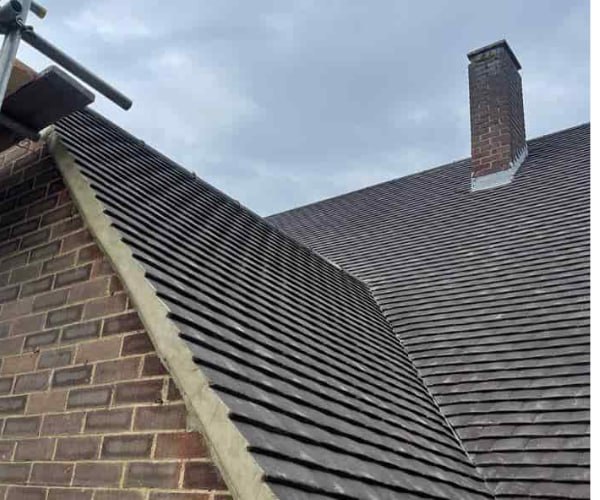
Roof Leaking? 7 Signs You Should Call a Professional Roofer
A roof leak is not always as obvious as water dripping from the ceiling. Moisture may travel beneath tiles, along roofing timbers and through insulation before it becomes visible inside a property. By that stage, the affected area can be much larger than the first damp mark suggests.
For property owners in Pontefract, West Yorkshire, recognising the early warning signs can help limit further deterioration. A professional roofer can trace the source of the leak, assess the surrounding materials and recommend a repair based on the underlying cause.
Seven Warning Signs That Your Roof Needs Professional Attention
1. Water Is Dripping into the Property
Active dripping during or after rainfall requires prompt attention. Even a small amount of water can spread into ceilings, walls, insulation and timber if the point of entry remains open.
Place a container beneath the drip where it is safe to do so, move vulnerable belongings away and contact a professional roofer. Avoid entering a roof space if water is close to electrical fittings or the structure appears unstable.
2. Damp Patches Are Appearing on Ceilings or Walls
Brown marks, peeling paint and discoloured plaster often indicate that moisture is entering somewhere above. The visible patch may be some distance from the actual roof defect because water can follow rafters, underlay and other surfaces before emerging.
Simply redecorating the affected area will not resolve the problem. The roof covering, flashing, valleys and nearby junctions should be inspected to locate the route taken by the water.
3. The Same Leak Keeps Returning
A leak that reappears after previous work may mean the original source was not correctly identified. It can also indicate that deterioration extends beyond the repaired section.
Recurring leaks are particularly important to investigate because repeated moisture exposure can affect hidden roofing components. A thorough assessment considers the wider roof rather than treating only the latest internal symptom.
4. Tiles or Slates Are Missing, Cracked or Displaced
Tiles and slates form the roof’s primary weather-resistant covering. When they become loose, cracked or missing, the underlay beneath them is left more exposed to rain.
A single damaged tile may allow water to penetrate, while several displaced materials can point to weakened fixings or more general deterioration. From ground level, check for visible gaps or uneven rows, but leave close inspection and repair work to trained roofers.
5. There Is Dampness or a Musty Smell in the Roof Space
A persistent musty smell can be an early indication of moisture collecting within the roof structure. Other signs include damp insulation, darkened timbers, staining beneath the underlay or condensation that appears unusually heavy.
These symptoms should not be ignored simply because no water is visible in the rooms below. The roof space may reveal a developing leak before it causes obvious damage to ceilings and décor.
6. The Ceiling Is Bulging or Sagging
A bulging ceiling can indicate that water has accumulated above the plasterboard. This requires urgent professional attention because saturated materials may weaken and eventually give way.
Do not press, puncture or stand beneath a noticeably sagging area. Keep people away from the affected space and arrange an inspection so that the source of the moisture and the condition of the ceiling can be assessed safely.
7. Water Ingress Appears After Particular Weather
Some roof defects only become apparent during wind-driven rain, prolonged rainfall or storms. Changes in wind direction can force water beneath loose tiles, damaged flashing or poorly sealed roof junctions that remain dry in lighter conditions.
If a leak appears only during certain weather, note when it happens and where the moisture becomes visible. This information can help a roofer investigate vulnerable areas and identify a pattern.
Why Accurate Leak Detection Matters
The position of an internal drip does not necessarily reveal where rain entered the roof. Effective leak detection involves examining the roof covering and the details most likely to admit water, including ridges, valleys, flashing, vents, roof edges and adjoining surfaces.
A lasting repair must address the entry point as well as any surrounding deterioration. Repairing only the most visible defect can allow the leak to continue through another route.
Conclusion
Call a professional roofer when you notice active dripping, ceiling stains, recurring dampness, damaged tiles, moisture in the roof space, a sagging ceiling or leaks linked to particular weather conditions. Early investigation can prevent a localised defect from affecting a wider section of the property.
If you have found signs of a roof leak in Pontefract, West Yorkshire, contact CNB Roofing Pontefract to arrange a professional assessment. Our team can identify the source of the problem and recommend an appropriate, carefully targeted repair.
Call us on: 01977 805 558
Click here to find out more about CNB Roofing Pontefract
Click here to complete our contact form and see how we can help with your roofing needs.