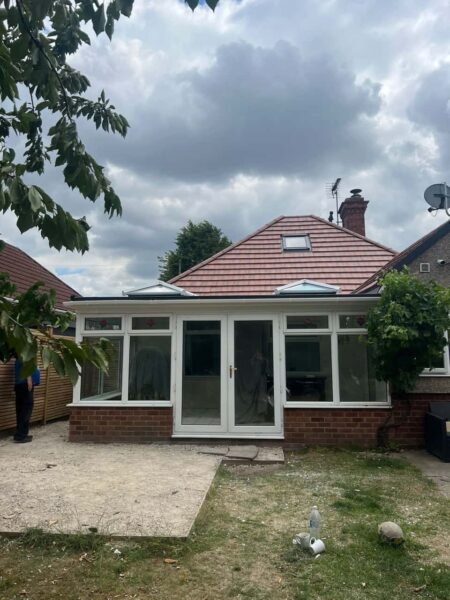
Why Homeowners Are Switching to Hip Roof Designs
Roof design plays a significant role in how a property performs, looks and ages over time. In recent years, more homeowners have been choosing hip roof designs when replacing or upgrading their roofs. In Pontefract, West Yorkshire, this shift is driven by a combination of structural advantages, visual balance and long-term reliability.
At CNB Roofing Pontefract, we are seeing increased interest in hip roofs from homeowners who want a roof design that offers strength, consistency and refined appearance.
What Defines a Hip Roof?
A hip roof is characterised by sloping sides on all elevations, meeting at the ridge or a single apex. Unlike gable roofs, which have vertical end walls, hip roofs slope downwards on every side.
This symmetrical design distributes weight evenly across the structure, contributing to the roof’s stability and balanced appearance.
Improved Stability in Exposed Conditions
One of the key reasons homeowners are switching to hip roofs is their structural strength. With no large, flat gable ends exposed, hip roofs are less affected by wind pressure.
The sloping sides help deflect wind more evenly, reducing stress on the roof structure. In areas like Pontefract, where weather conditions can be changeable, this added resilience is a significant advantage.
Even Load Distribution Across the Roof
Hip roofs naturally spread weight across all supporting walls. This balanced load distribution helps reduce pressure points within the roof structure and supporting masonry.
Over time, this can contribute to a more stable roof that is less prone to movement or uneven wear, supporting consistent performance as the property ages.
A Clean, Balanced Appearance
Many homeowners are drawn to hip roofs for their visual appeal. The symmetrical slopes create a neat, proportioned look that suits a wide range of architectural styles.
Whether applied to modern homes or traditional properties, hip roofs often appear more cohesive and refined, enhancing the overall appearance of the building rather than dominating it.
Better Performance at the Roof Edges
The design of a hip roof allows water to shed evenly on all sides. This helps reduce heavy runoff concentration in specific areas, supporting more consistent drainage around the property.
By managing water flow effectively, hip roofs help protect roof edges, fascias and guttering from uneven wear over time.
Practical for Roof Conversions and Upgrades
Hip roofs can also offer practical advantages when homeowners consider future roof upgrades. Their balanced structure can provide a solid foundation for well-planned alterations, subject to appropriate design and assessment.
This adaptability is another reason homeowners see hip roofs as a forward-thinking choice.
Professional Design and Installation Matter
While hip roofs offer clear benefits, correct design and installation are essential to achieving long-term performance. Accurate measurements, proper structural support and high-quality workmanship ensure the roof functions as intended.
Professional roofers understand how to tailor the design to suit the property while maintaining structural integrity and visual balance.
Conclusion
Homeowners are increasingly switching to hip roof designs because they offer improved stability, balanced load distribution and a clean, well-proportioned appearance. Their ability to perform reliably in varied weather conditions makes them a strong long-term option for many properties.
If you are considering a roof replacement or design change, CNB Roofing Pontefract provides professional roofing services for homes in Pontefract. A well-designed hip roof can deliver both visual appeal and dependable performance for years to come.
Call us on: 01977 805 558
Click here to find out more about CNB Roofing Pontefract
Click here to complete our contact form and see how we can help with your roofing needs.